5 Calculator Modes · All Vial Sizes · New 7.2mg HD Dose

Semaglutide Dosage Calculator:
Reconstitution, Units
& Weight Loss Planner

The most complete free semaglutide dosage calculator on the web — purpose-built for people using compounded semaglutide, Ozempic, or Wegovy. Whether you need to calculate exact syringe units from your vial concentration, work out how much bacteriostatic water to mix, or project your weight loss based on STEP trial data, the Heart Score Calculator has every tool in one place. No sign-up, no ads, no paywalls.

What Makes Heart Score Calculator Different From Every Semaglutide Calculator

Most peptide calculators only do one job — mg to units, or just reconstitution. Our all-in-one semaglutide dosage calculator covers 5 complete modes: peptide reconstitution with BAC water, mg to syringe units conversion, STEP trial weight loss projection by dose, protein intake for muscle preservation, and half-life tracking. It also covers the new FDA-approved 7.2mg high-dose (HD) semaglutide — which most competitors have not updated for. All free.

5
Calc Modes
7.2mg
HD Dose Supported
20
FAQs Answered
Free
No Sign-up
⚠️ Medical & Legal Disclaimer

This calculator is for educational purposes only. Semaglutide (Ozempic®, Wegovy®, Rybelsus®) is a prescription-only medication. Compounded semaglutide availability is subject to FDA regulations and pharmacy status. Never adjust your prescribed dose without consulting your licensed healthcare provider. Incorrect dosing can cause serious harm.

Semaglutide Calculator

STEP Trial Data

Enter vial size, BAC water volume, and dose. Get exact syringe units, concentration, and draw volume instantly.

Total mg in your vial

mL of bacteriostatic water

Typical: 0.25, 0.5, 1.0, 1.7, 2.4mg

Know your concentration? Enter dose and concentration to get exact U-100 syringe units instantly.

Common: 1, 2, 2.5, 5 mg/mL

Weight loss projection based on STEP 1, 2, 3 and STEP UP trial data. Population estimates — individual results vary.

GLP-1 medication users need higher protein to preserve lean muscle during rapid weight loss. Uses semaglutide-specific targets.

Semaglutide has a half-life of approximately 7 days (168 hours). Steady state is reached after 4–5 weeks of consistent weekly dosing.

📉 Projected Weight Loss (STEP Trial Data)
% Body Weight
kg Lost
Target Weight
Result

Always verify your vial's actual concentration against the label before injecting. Concentrations vary between compounding pharmacies and batch formulations. Confirm all doses with your prescribing provider.

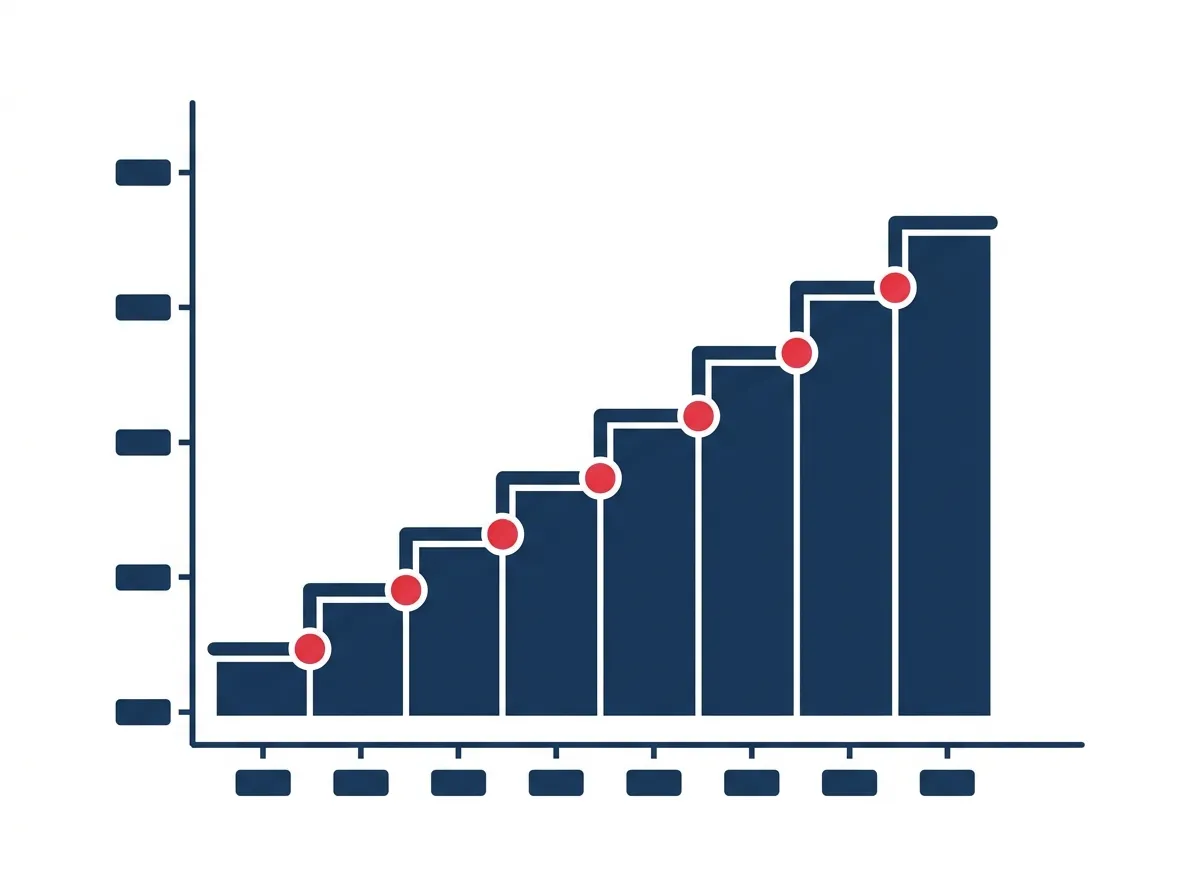
Semaglutide Dosing Chart — Complete Titration Schedule (Ozempic, Wegovy & Compounded)

Every form of injectable semaglutide — whether you are using brand-name Wegovy for weight loss, Ozempic for type 2 diabetes, or a compounded semaglutide from a licensed 503A/503B pharmacy — follows the same gradual dose escalation protocol. The titration schedule is designed to allow your gastrointestinal system to adapt before reaching therapeutic doses, which dramatically reduces nausea, vomiting, and other common early side effects.

You can use the Heart Score Calculator semaglutide tool above to convert any dose on this chart into exact insulin syringe units for your specific vial concentration. If you are also managing cardiovascular risk, our ABG Calculator and Heart Risk Score Calculator can help you track the broader cardiometabolic picture — semaglutide carries FDA approval for reducing major cardiovascular events in people with established heart disease (SELECT trial).

WeeksDoseInjection Freq.PhaseExpected Weight Loss (68 wk)
1–40.25 mgOnce weeklyInitiationSub-therapeutic (GI adaptation)
5–80.5 mgOnce weeklyEscalation~5–8% body weight
9–121.0 mgOnce weeklyEscalation~8–11%
13–161.7 mgOnce weeklyEscalation~11–13% (Wegovy-specific step)
17+2.4 mgOnce weeklyMaintenance~15–17% (STEP 1 trial average)
HD7.2 mg NEW 2026Once weeklyHigh Dose~20.7% (STEP UP trial)

New in 2026: The 7.2mg High-Dose Semaglutide. The FDA approved a 7.2mg weekly injection dose of Wegovy in March 2026 following the STEP UP Phase 3b trial published in The Lancet Diabetes & Endocrinology. Participants on 7.2mg achieved an average body weight reduction of 20.7% over 68 weeks — approaching the results previously only seen with tirzepatide. Our semaglutide peptide dosage calculator is one of the first online tools to support the 7.2mg dose in the weight loss projection model. See our Tirzepatide Calculator for a side-by-side comparison of weight loss outcomes between both drugs.

How to Calculate Semaglutide Dosage — The Peptide Reconstitution Formula

When using compounded semaglutide from a lyophilised (freeze-dried) vial, converting your prescribed dose in milligrams to the correct number of units on an insulin syringe requires two straightforward calculations. This is the core function of a semaglutide peptide dosage calculator, and the Heart Score Calculator automates all of it — but understanding the underlying maths helps you catch errors and calculate confidently.

Step 1: Calculate Concentration (the Semaglutide Dilution Formula)

Before you can draw your dose, you need to know how concentrated your solution is after adding bacteriostatic water. This is your semaglutide mixing ratio — and it changes every time you choose a different BAC water volume. The peptide reconstitution ratio calculator formula is:

Semaglutide Peptide Reconstitution Formula
Concentration (mg/mL) = Vial Size (mg) ÷ BAC Water Added (mL)
// 5mg vial + 2mL BAC water = 5 ÷ 2 = 2.5 mg/mL
// 10mg vial + 2mL BAC water = 10 ÷ 2 = 5.0 mg/mL
// 3mg vial + 1.5mL BAC water = 3 ÷ 1.5 = 2.0 mg/mL

Step 2: Convert mg to Insulin Syringe Units

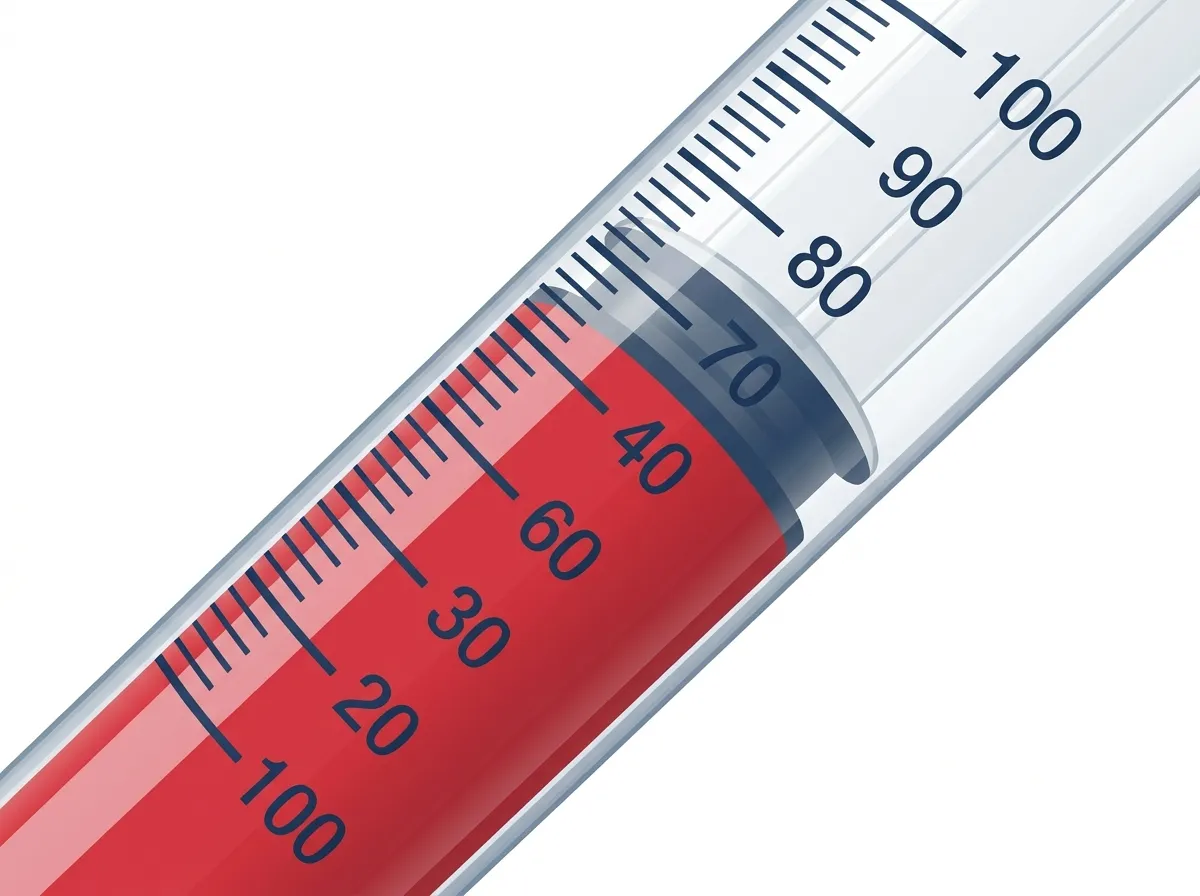
Once you know your concentration, the mg to units peptide conversion for a standard U-100 insulin syringe is simple. A U-100 syringe holds exactly 1mL in 100 units — so multiplying your draw volume (in mL) by 100 gives your unit count. This is the core of any injectable peptide calculator:

mg to Units Conversion — GLP-1 Medication Dosage Guide
Syringe Units = (Dose mg ÷ Concentration mg/mL) × 100
// Example: 0.5mg dose, 2.5mg/mL concentration
// Units = (0.5 ÷ 2.5) × 100 = 20 units on U-100 syringe
// ⚠ The unit number changes completely if concentration changes
// Same 0.5mg at 5.0mg/mL: Units = (0.5 ÷ 5.0) × 100 = 10 units

Choosing Your BAC Water Volume — The Semaglutide Mixing Ratio Calculator

The bacteriostatic water mixing peptide approach you choose affects both your concentration and how many units you draw for each dose. Rather than picking an arbitrary amount, work backwards from a target draw volume that falls comfortably on your syringe. Common practical choices for semaglutide are:

Vial SizeBAC WaterConcentration0.25mg =0.5mg =1.0mg =2.4mg =
3 mg1.5 mL2.0 mg/mL12 units25 units50 units
5 mg2 mL2.5 mg/mL10 units20 units40 units96 units
5 mg1 mL5.0 mg/mL5 units10 units20 units48 units
10 mg2 mL5.0 mg/mL5 units10 units20 units48 units
10 mg4 mL2.5 mg/mL10 units20 units40 units96 units
15 mg3 mL5.0 mg/mL5 units10 units20 units48 units
20 mg4 mL5.0 mg/mL5 units10 units20 units48 units

Table values for U-100 insulin syringes (1mL = 100 units). Always verify against your specific vial label and provider instructions.

If you prefer a different concentration to get a draw volume you can see more clearly on your syringe, use our semaglutide reconstitution calculator above. The Heart Score Calculator reconstitution tool instantly computes any combination of vial size, BAC water volume, and target dose — including how many doses your vial will provide and the mcg per syringe unit for microdosing reference.

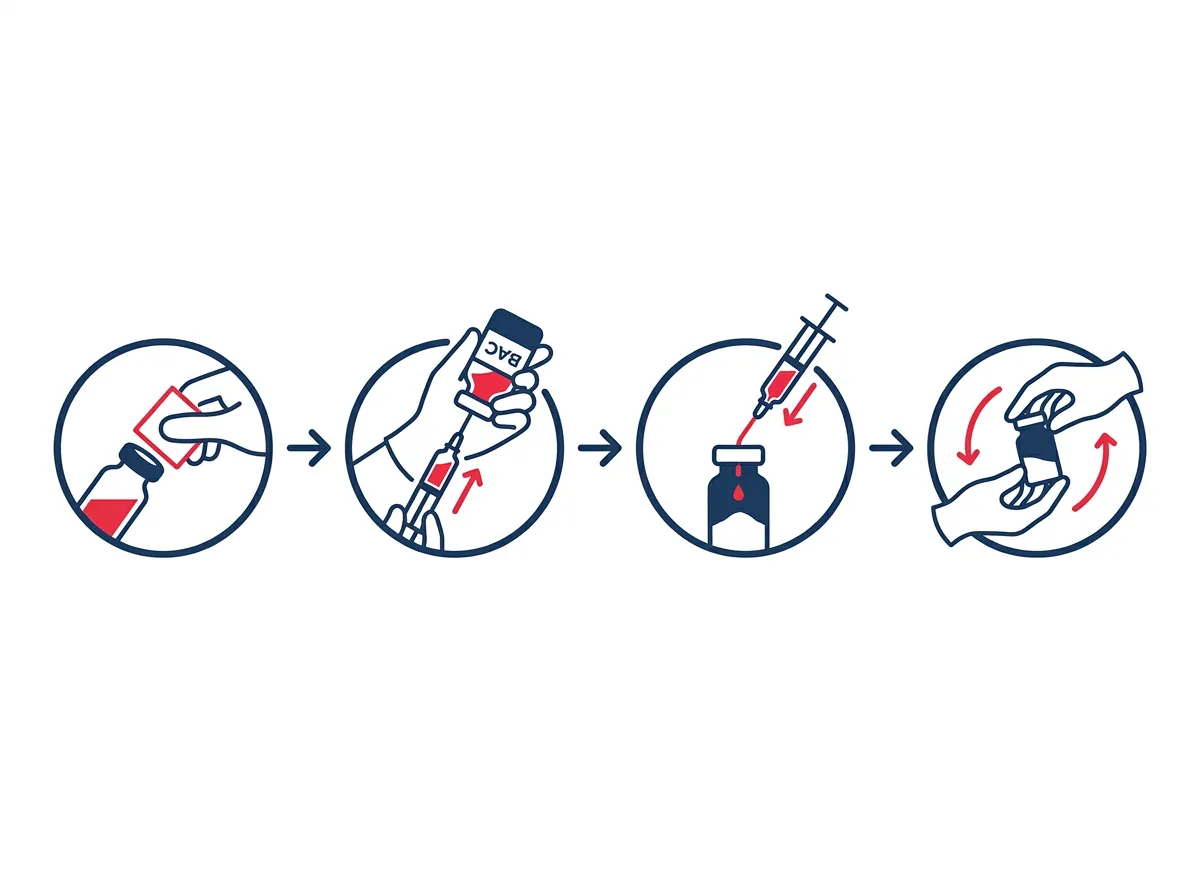
How to Reconstitute Semaglutide Peptide — Step-by-Step Guide

Reconstituting semaglutide means dissolving the lyophilised (freeze-dried) peptide powder with bacteriostatic water to create a stable, injectable solution. Compounded semaglutide always requires this step — brand-name Ozempic and Wegovy pens come pre-filled and do not. Getting the technique right protects both the peptide structure and your safety.

1
Gather All Supplies Before You Start

You need: semaglutide vial (lyophilised powder), bacteriostatic water (BAC water — not sterile water, not tap water), U-100 insulin syringes, alcohol swabs (70% isopropyl), clean workspace. BAC water contains 0.9% benzyl alcohol which prevents bacterial contamination across multiple draws. Sterile water has no preservative and is single-use only — using it for a multi-dose vial creates infection risk.

2
Calculate Your BAC Water Volume First

Before opening anything, use our semaglutide vial dosage calculation tool above to confirm exactly how much BAC water to add. Enter your vial size and target dose — the peptide reconstitution ratio calculator will show your optimal BAC water volume, resulting concentration, and exact syringe units. Write this down before proceeding.

3
Clean Hands and Stoppers

Wash your hands thoroughly with soap for at least 20 seconds. Wipe the rubber stopper of both the semaglutide vial and the BAC water vial with a fresh alcohol swab. Wait a full 15 seconds for the alcohol to dry completely before piercing — injecting through wet alcohol can introduce it into your solution.

4
Draw BAC Water and Inject Slowly

Draw your calculated BAC water volume into a syringe. Insert the needle into the semaglutide vial and angle it so the tip touches the inside glass wall — not the powder cake at the bottom. Inject the BAC water slowly along the glass wall so it trickles down onto the powder. Never force the liquid directly onto the lyophilised powder; the mechanical impact disrupts the peptide structure and can cause aggregation.

5
Swirl — Never Shake

After injecting the BAC water, gently swirl the vial in slow, circular motions. The powder should fully dissolve within 1–5 minutes, producing a completely clear, colourless solution. Vigorous shaking generates mechanical force that breaks the peptide bonds in semaglutide, reducing potency. If the solution remains cloudy after 10 minutes of gentle swirling, or you see particles or discolouration, do not use the vial.

6
Label and Refrigerate Immediately

Write the date of reconstitution and the concentration (e.g. "2.5 mg/mL — mixed 20 May 2026") directly on the vial. Refrigerate immediately at 36–46°F (2–8°C). Reconstituted semaglutide is stable for 28–56 days when stored correctly. Never freeze reconstituted semaglutide — freeze-thaw damage permanently alters the molecule. Discard if the solution becomes cloudy, develops particles, or changes colour.

What Is Semaglutide and How Does It Work for Weight Loss?

Semaglutide is a GLP-1 (glucagon-like peptide-1) receptor agonist developed by Novo Nordisk. It is the active ingredient in three FDA-approved medications: Ozempic® (once-weekly subcutaneous injection for type 2 diabetes), Wegovy® (once-weekly subcutaneous injection for chronic weight management), and Rybelsus® (daily oral tablet for type 2 diabetes). All injectable forms use the same weekly subcutaneous dosing schedule — the key clinical difference is the approved maximum dose and the patient population each targets.

Semaglutide works by mimicking the GLP-1 hormone that the gut naturally releases after eating. When you inject semaglutide, it activates GLP-1 receptors in the brain's appetite centres (particularly the hypothalamus), slows gastric emptying, stimulates insulin secretion in a glucose-dependent manner, and suppresses glucagon release. The combined effect is significantly reduced appetite, slower digestion, improved blood glucose control, and — over weeks to months — meaningful, sustained weight loss. Unlike older appetite suppressants, semaglutide does not cause dependence or act on dopamine pathways.

15–17%
Avg Weight Loss (2.4mg, 68 wk)
~7 days
Half-Life
2.4mg
Wegovy Max Dose
1×/wk
Injection Frequency

The landmark STEP 1 clinical trial — a randomised, double-blind, placebo-controlled study — showed that adults with obesity taking 2.4mg semaglutide weekly for 68 weeks lost an average of 14.9% of their body weight compared to 2.4% with placebo. The SELECT cardiovascular outcomes trial further demonstrated that semaglutide 2.4mg reduces major adverse cardiovascular events by 20% in people with established cardiovascular disease — an effect captured in our Heart Risk Score Calculator.

🔬
GLP-1 Receptor Mechanism

Semaglutide's molecular structure is 94% identical to natural human GLP-1, with a fatty acid chain attached to extend its half-life from 2 minutes (native GLP-1) to approximately 7 days. This extended half-life is what makes once-weekly dosing possible and creates the sustained appetite suppression that distinguishes semaglutide from older weight-loss drugs.

⚖️
Semaglutide vs Tirzepatide

The SURMOUNT-5 head-to-head trial showed tirzepatide produced 20.2% weight loss vs 13.7% with semaglutide 2.4mg. However, the new 7.2mg semaglutide HD dose (STEP UP trial, 2025) achieves ~20.7% weight loss — narrowing the gap significantly. Our Tirzepatide Calculator lets you compare projected outcomes for both drugs side by side.

💊
Compounded vs Brand-Name

Compounded semaglutide contains the same active molecule but is produced by licensed 503A/503B pharmacies under different quality oversight than FDA-approved Ozempic and Wegovy. Compounded versions typically cost 70–85% less. Since the FDA declared the semaglutide shortage over in late 2024, compounding regulations have tightened — always request a Certificate of Analysis from your pharmacy.

🏋️
Muscle Mass Preservation

Studies show that 25–40% of weight lost on semaglutide can be lean muscle, not fat — particularly without adequate protein intake and resistance training. GLP-1 users need 1.2–1.6g of protein per kg of body weight daily to protect lean mass. Use our protein calculator mode above to find your exact daily target and reduce the risk of metabolic slowdown during your weight loss journey.

Ozempic vs Wegovy vs Compounded Semaglutide — Key Differences

All three products contain the same active molecule — semaglutide — but differ in indication, maximum approved dose, and the need for reconstitution. If you are using a semaglutide dosage calculator for weight loss, the key details to confirm before calculating are: which product you are using, your exact vial concentration (for compounded), and your current position on the titration schedule.

FeatureOzempic® (Novo Nordisk)Wegovy® (Novo Nordisk)Compounded Semaglutide
Primary IndicationType 2 DiabetesChronic Weight ManagementVaries by prescription
FDA Approval✓ Approved (2017)✓ Approved (2021)Not FDA approved
Max Weekly Dose2.0 mg2.4 mg (+ 7.2 mg HD)Varies by compounder
Reconstitution NeededNo (auto-pen)No (auto-pen)Yes — use our calculator
1.7 mg Titration StepNoYes (Wegovy-specific)Provider discretion
Typical Monthly Cost~$900–$1,200~$1,300–$1,600$150–$400
Active MoleculeSemaglutideSemaglutideSemaglutide
Cardiovascular Benefit (SELECT)✓ Proven (20% MACE reduction)✓ Same moleculeSame molecule
2025/2026 Regulatory StatusFully availableFully available503A/503B oversight

Semaglutide Dosage Calculator — 20 Frequently Asked Questions

How do you calculate semaglutide dosage step by step? +
Step 1: Confirm your vial size in mg (e.g. 5mg). Step 2: Decide how much BAC water to add and calculate concentration: Concentration = Vial mg ÷ BAC water mL. Step 3: Calculate draw volume: Draw mL = Dose mg ÷ Concentration mg/mL. Step 4: Convert to syringe units: Units = Draw mL × 100 (for U-100 syringe). Example: 5mg vial + 2mL BAC water = 2.5mg/mL. For a 0.5mg dose: 0.5 ÷ 2.5 = 0.2mL × 100 = 20 units. Use the Heart Score Calculator semaglutide reconstitution calculator above to do all this automatically with any vial size.
What is the starting dose of semaglutide for weight loss? +
The FDA-approved starting dose for both Wegovy (weight loss) and Ozempic (diabetes) is 0.25mg once weekly for the first 4 weeks. This is intentionally sub-therapeutic — it exists purely to let your body adapt to the GLP-1 receptor agonist effect before escalation. After 4 weeks, the dose increases to 0.5mg, then to 1.0mg, 1.7mg (Wegovy only), and finally 2.4mg as the maintenance dose. Compounding pharmacies generally follow the same schedule, though some use a slightly modified titration on prescriber direction.
How much bacteriostatic water do I mix with a semaglutide vial? +
There is no universally fixed amount — it depends on your vial size and the concentration you want to achieve. A practical approach is to aim for 2.5mg/mL or 5mg/mL because these concentrations give clean unit numbers on a U-100 syringe. For a 5mg vial: 2mL BAC water = 2.5mg/mL (0.5mg = 20 units). For a 10mg vial: 4mL BAC water = 2.5mg/mL (0.5mg = 20 units). Use our semaglutide vial dosage calculation tool above to compute the exact BAC water volume for any vial size and target dose, with the resulting concentration and syringe units shown automatically.
How many units is 0.5mg of semaglutide on an insulin syringe? +
This depends entirely on your concentration — there is no fixed answer. At 2.5mg/mL: 0.5mg = 20 units. At 5.0mg/mL: 0.5mg = 10 units. At 1.0mg/mL: 0.5mg = 50 units. The mg to units peptide conversion always requires knowing the concentration. This is why working from a semaglutide dosage calculator in units is essential for compounded vials — never guess the unit count without knowing your exact concentration. Enter your vial details into the Heart Score Calculator above for the precise answer for your specific setup.
Is the semaglutide dosage calculator different for weight loss vs diabetes? +
The reconstitution and mg-to-units calculation is identical regardless of indication — the maths does not change based on why you are taking semaglutide. What differs is the maximum dose: Wegovy's maintenance dose for weight loss is 2.4mg weekly (and now 7.2mg with the new HD approval), while Ozempic's maximum approved dose for diabetes is 2.0mg weekly. The titration schedule is also slightly different — Wegovy includes a 1.7mg step that Ozempic does not. Our semaglutide glp-1 dosage calculator supports all doses across both indications.
What is the semaglutide dosing chart by weight? +
Unlike some other medications, semaglutide is not dosed by body weight — the FDA-approved dosing schedule is the same for all adult patients regardless of how much they weigh, starting at 0.25mg and escalating to a maximum of 2.4mg (or 7.2mg HD) for weight loss. Body weight does not change how many milligrams you take per week. It does affect how many vial doses you will need over time, since heavier individuals may progress through vial supplies at the same rate as lighter individuals but may require longer treatment duration to reach goal weight. Our weight loss projection calculator above adjusts projected outcomes based on your starting body weight.
How long does semaglutide take to show weight loss results? +
Most people notice reduced appetite within the first 1–2 weeks at the 0.25mg initiation dose. Measurable scale weight reduction usually begins during weeks 5–8 as the dose reaches 0.5mg — the first therapeutic level. The most significant weight loss typically occurs between weeks 12–24 as doses reach 1.0–2.4mg. STEP 1 trial data shows approximately 6% average weight loss by week 16, 11% by week 36, and 15% by week 68 at 2.4mg. Results vary significantly based on diet quality, exercise level, sleep, metabolic factors, and adherence to the weekly injection schedule.
What is the semaglutide half-life and when is steady state reached? +
Semaglutide has a terminal half-life of approximately 7 days (168 hours) — the longest of any approved GLP-1 receptor agonist, and significantly longer than tirzepatide's 5-day half-life. Steady-state plasma concentrations — where drug input equals drug elimination — are reached after 4–5 half-lives, meaning 4–5 weeks of consistent weekly dosing. This is the pharmacological reason why the titration schedule keeps patients at each dose for at least 4 weeks before escalating: the body must reach steady-state exposure before the full effect of any given dose can be accurately assessed. After stopping semaglutide, the drug takes approximately 5 half-lives (~35 days) to clear from the body.
What is the difference between Ozempic, Wegovy, and compounded semaglutide? +
All three contain the same active molecule — semaglutide — but they differ in three key ways. First, indication: Ozempic is FDA-approved for type 2 diabetes; Wegovy is FDA-approved for chronic weight management. Second, maximum dose: Ozempic maxes at 2mg; Wegovy maxes at 2.4mg (and now 7.2mg HD). Third, form: Ozempic and Wegovy come as pre-filled auto-injector pens that require no mixing, while compounded semaglutide comes as lyophilised powder vials that must be reconstituted with bacteriostatic water using our semaglutide peptide reconstitution calculator.
Can I use a semaglutide peptide dosage calculator for Ozempic pens? +
No. Our reconstitution and mg-to-units calculator is designed specifically for compounded semaglutide in lyophilised powder vials. FDA-approved Ozempic and Wegovy auto-injector pens deliver pre-measured doses and do not require any calculation — simply dial to your prescribed dose and inject. If you are using a brand-name pen and want to track your weight loss progress or protein intake, use the Weight Loss or Protein modes in our calculator, which apply regardless of whether you are using a pen or compounded vial.
What does the new 7.2mg semaglutide high-dose approval mean? +
The FDA approved a 7.2mg weekly subcutaneous injection dose of Wegovy in March 2026, following the STEP UP Phase 3b trial (published in The Lancet Diabetes & Endocrinology, 2025). Participants receiving 7.2mg semaglutide for 68 weeks lost an average of 20.7% of their body weight — significantly more than the 15–17% seen at 2.4mg. This approval narrows the efficacy gap between semaglutide and tirzepatide. The 7.2mg dose is not yet available in compounded form through most pharmacies and requires specific clinical criteria. Our semaglutide weight loss calculator is one of the first tools to include 7.2mg projections based on STEP UP trial data.
How do I know if my reconstituted semaglutide has gone bad? +
Reconstituted semaglutide solution should be completely clear and colourless. Discard the vial immediately if you observe: cloudiness or haze, visible particles or crystals, a yellowish or brownish tint, foam that persists after gentle swirling, or if the vial has been left unrefrigerated for more than a few hours. Lyophilised powder vials should be stored per your pharmacy's instructions — most recommend refrigeration or room temperature away from heat and direct light. Once reconstituted, store at 36–46°F (2–8°C) and use within 28–56 days.
What are the most common side effects of semaglutide? +
The most common side effects of semaglutide are gastrointestinal: nausea (reported in 20–44% of patients), diarrhoea, vomiting, constipation, and abdominal pain. These are most prominent during the initiation and escalation phases and typically subside significantly after 2–4 weeks at each dose level. The gradual titration schedule exists specifically to minimise these effects. Serious but rare side effects include pancreatitis, gallbladder disease, hypoglycaemia (in patients on insulin or sulfonylureas), and potential thyroid C-cell tumours (based on rodent studies; human risk unknown). Semaglutide is contraindicated in patients with a personal or family history of medullary thyroid carcinoma or MEN2 syndrome.
Is semaglutide better for weight loss than tirzepatide? +
At standard doses, tirzepatide (Mounjaro/Zepbound at 15mg) produces greater average weight loss (~20–22%) than semaglutide at 2.4mg (~15–17%), as confirmed in the SURMOUNT-5 head-to-head trial. However, the newly approved 7.2mg HD semaglutide dose achieves ~20.7% average weight loss (STEP UP trial), substantially closing the gap. Tirzepatide's dual GIP/GLP-1 mechanism gives it a pharmacological advantage, but individual responses vary widely — some patients respond better to semaglutide. Cost, insurance coverage, tolerability, and access also factor heavily into the clinical decision. Use our Tirzepatide Calculator alongside this tool to compare projected outcomes for both medications.
What protein intake is recommended while taking semaglutide? +
People using semaglutide for weight loss need more dietary protein than the standard RDA of 0.8g/kg to preserve lean muscle mass during rapid fat loss. The recommended range for GLP-1 medication users is 1.2–2.0g of protein per kilogram of body weight per day, with higher targets for those doing regular resistance training. Without adequate protein, 25–40% of weight lost on semaglutide can come from lean tissue rather than adipose fat, which slows your metabolism and makes long-term weight maintenance harder. Use our Protein mode in the semaglutide calculator above to get your personalised daily protein target based on your weight and activity level.
What happens if I miss a weekly semaglutide injection? +
If you miss a semaglutide dose, take it as soon as you remember — provided your next scheduled dose is at least 5 days (120 hours) away. If your next dose is within 5 days, skip the missed dose and resume your regular schedule. Never double-dose. Semaglutide's 7-day half-life means that missing a single dose has a relatively modest pharmacokinetic impact at steady state — you will not lose all effects of the medication from one missed injection. However, consistent missed doses can slow titration progress and reduce overall efficacy. Set a weekly phone alarm to keep your injection day consistent.
Can I inject semaglutide in my stomach, thigh, or arm? +
Yes. Semaglutide (and compounded semaglutide) is administered as a subcutaneous injection — into the fatty tissue just under the skin, not into muscle. Approved injection sites are the abdomen (at least 2 inches from the navel), the front or outer thigh, and the upper arm. Rotating injection sites with each weekly dose reduces the risk of localised skin reactions, lipo-hypertrophy (fatty lumps), and local irritation. Avoid injecting into areas with active skin conditions, scars, bruising, or recent injection site reactions. For most people, the abdomen is the easiest site for self-injection.
How accurate is a semaglutide peptide dosage calculator online? +
When the correct inputs are entered, the mathematical output of a peptide reconstitution calculator is exact — the formula is straightforward arithmetic with no approximation error. The reliability of the result depends entirely on the accuracy of the inputs: specifically, the actual vial mg content and the actual BAC water volume added. Small measurement errors in BAC water (e.g. drawing 1.8mL instead of 2mL) will change the concentration and therefore the unit count. This is why using a calibrated syringe for BAC water measurement is important, and why confirming your vial's labeled concentration with your pharmacy is essential before calculating. Our Heart Score Calculator includes a step-by-step formula display so you can verify each calculation manually.
Why does my syringe units calculation look different from what I expected? +
The most common reason is a mismatch between the assumed and actual concentration. If your vial was pre-mixed by the pharmacy, the concentration may differ from what you calculate by adding BAC water yourself. Other common causes: confusing total vial mg with concentration per mL, using a U-40 syringe scale instead of U-100, or entering the wrong BAC water volume. Always confirm the labeled concentration printed on your compounding pharmacy's vial before performing any calculation. If in doubt, ask your pharmacist to write the concentration (in mg/mL) on the vial label or on your dosing instructions.
Is semaglutide safe for people with cardiovascular disease? +
Yes — semaglutide has demonstrated cardiovascular benefit in people with existing heart disease. The SELECT trial (2023) showed that semaglutide 2.4mg reduced the rate of major adverse cardiovascular events (MACE — non-fatal heart attack, non-fatal stroke, cardiovascular death) by 20% compared to placebo in adults with obesity and established cardiovascular disease. This is the same population where our Heart Risk Score Calculator is most clinically relevant. If you have established cardiovascular disease, semaglutide may address both your weight management and your cardiac risk simultaneously. Always discuss with your cardiologist before starting any GLP-1 medication.

Semaglutide Calculator — Key Takeaways

Syringe units depend on concentration — never assume a fixed unit count without calculating your specific vial size and BAC water volume.
Never shake reconstituted semaglutide. Swirl gently. Always inject BAC water down the glass wall of the vial, not onto the powder cake directly.
Reconstituted semaglutide is stable for 28–56 days refrigerated at 36–46°F. Never freeze. Discard if cloudy or discoloured.
The new 7.2mg HD semaglutide dose (approved March 2026) achieves ~20.7% weight loss at 68 weeks — significantly narrowing the gap with tirzepatide.
Target 1.2–1.6g of protein per kg/day while on semaglutide to preserve lean muscle mass. Use our Protein calculator above for your personalised target.
🩺
Dr. Heart (Health Observer)
Cardiovascular & Metabolic Health Specialist

All semaglutide dosing data on this page is sourced from FDA prescribing information for Wegovy and Ozempic (DailyMed), STEP 1/2/3/4 phase III clinical trial publications (NEJM, 2021), the SELECT cardiovascular outcomes trial (NEJM, 2023), the STEP UP Phase 3b trial (The Lancet Diabetes & Endocrinology, 2025), and standard pharmaceutical compounding mathematics. Content is written for educational accuracy. This is not medical advice — always consult your prescribing provider before adjusting any medication dose.