Retatrutide Dosage Calculator
mg to Units Conversion
Enter your vial size and bacteriostatic water volume to instantly calculate the exact syringe units for any retatrutide dose. Includes complete titration schedule, reconstitution guide, and clinical dosing reference — for educational purposes only.
⚠️ Medical Disclaimer: This calculator and all content on this page are strictly for educational and informational purposes. Retatrutide is an investigational compound not yet approved by the FDA or any major regulatory authority. Do not use this information to self-administer any peptide or drug. Always consult a qualified healthcare professional before starting, stopping, or adjusting any medical treatment or research protocol.
What Is Retatrutide and Why Does Dosing Precision Matter?

Retatrutide (LY3437943) is a next-generation peptide developed by Eli Lilly that works as a triple hormone receptor agonist — simultaneously activating GLP-1 (glucagon-like peptide-1), GIP (glucose-dependent insulinotropic polypeptide), and glucagon receptors. This unique triple mechanism sets it apart from earlier weight-loss compounds like semaglutide (single GLP-1 agonist) and tirzepatide (dual GLP-1/GIP agonist).
In Phase II clinical trials, participants lost an average of 17.5% of body weight at 24 weeks and 24.2% at 48 weeks. More recently, Phase III TRIUMPH trial data from late 2025 reported up to 28.7% body weight reduction at the 12 mg dose over 68 weeks — results that surpass every currently approved obesity medication.
Because retatrutide is delivered as a lyophilized (freeze-dried) powder that must be reconstituted before injection, precision in dosing calculation is essential. Even a small arithmetic error can mean receiving half or double the intended dose. That is exactly what our retatrutide dosage calculator solves — instantly and accurately.
Retatrutide is currently in Phase III clinical trials. It has not been approved by the FDA for any indication. The dosing information on this page is drawn from published clinical trial protocols for educational reference only.
How the Retatrutide Dosage Calculator Works
The calculator uses three inputs to determine your exact injection volume and syringe units. Here is the underlying math made transparent:
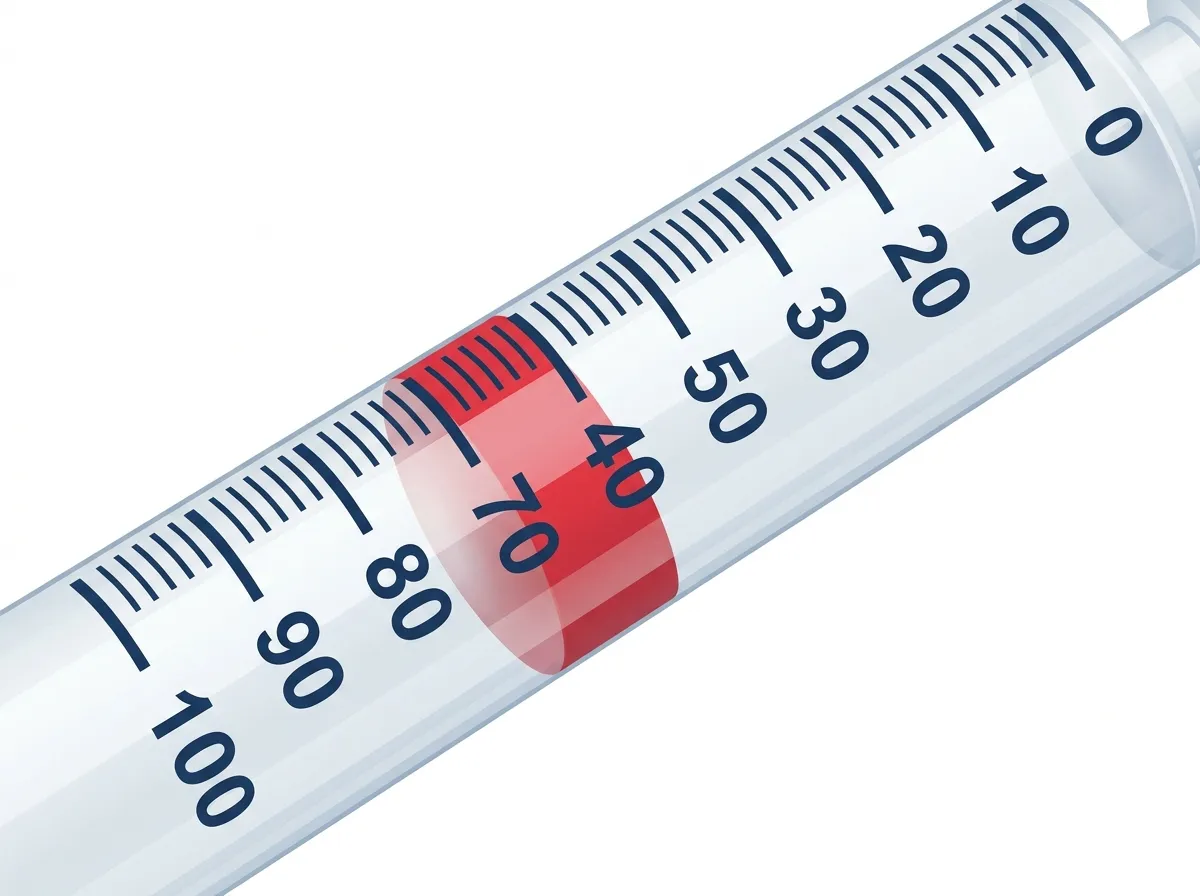
Worked example: You have a 10 mg retatrutide vial. You add 2 mL of bacteriostatic water. Your concentration is 10 ÷ 2 = 5 mg/mL. For a 2 mg weekly dose: 2 ÷ 5 = 0.4 mL = 40 units on a U-100 insulin syringe.
Retatrutide Titration Schedule & Dosing Chart
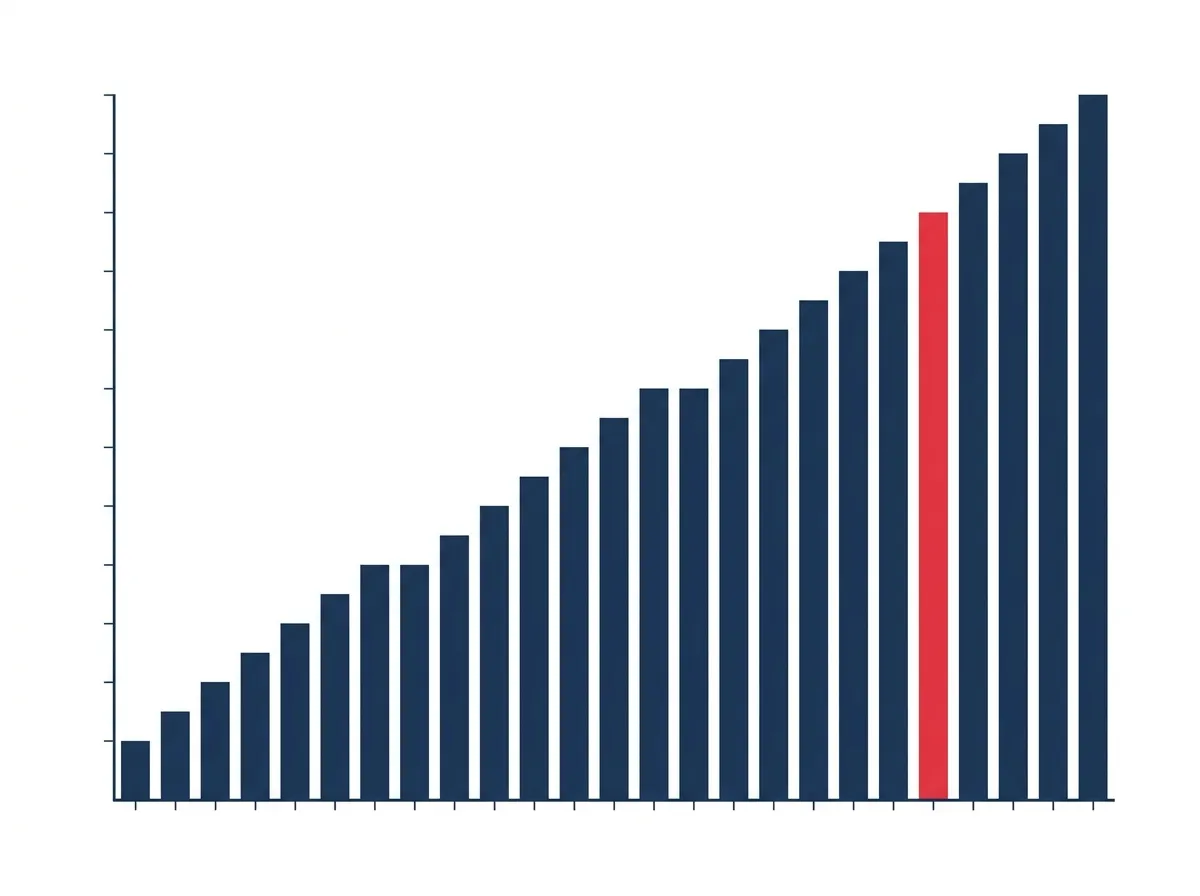
One of the most critical aspects of retatrutide therapy is stepwise dose escalation — also known as titration. Rather than starting at a high therapeutic dose, the protocol calls for gradual increases every four weeks. This gives your body time to adapt to the drug's effects on appetite regulation, digestion, and metabolic hormone signaling, significantly reducing the risk of side effects like nausea and vomiting.
The following dosing chart is based on data from published Phase II clinical trials and available Phase III TRIUMPH trial protocols. Note that actual dosing must always be directed by a licensed healthcare provider.
| Week Range | Phase | Weekly Dose | Purpose |
|---|---|---|---|
| Weeks 1–4 | Initiation | 1–2 mg | Body adaptation, minimize GI side effects |
| Weeks 5–8 | Early Titration | 2 mg | Continued adjustment, early appetite suppression |
| Weeks 9–12 | Dose Increase | 4 mg | First meaningful metabolic impact |
| Weeks 13–16 | Mid Titration | 4 mg | Sustained weight loss begins |
| Weeks 17–20 | Higher Range | 8 mg | Accelerated fat loss phase |
| Weeks 21–24 | Upper Tier | 8 mg | Maintenance of metabolic effects |
| Weeks 25+ | Maintenance | 8–12 mg | Maximum weight loss dose (clinical trial range) |
Titration should only advance if the previous dose is well-tolerated. If side effects such as nausea, vomiting, or stomach discomfort persist, the dose escalation is paused or the dose is reduced. Always follow your provider's guidance.
How to Reconstitute Retatrutide Correctly
Retatrutide arrives as lyophilized powder in sealed vials. Before any injection, the powder must be reconstituted (dissolved) with bacteriostatic water. Here is the proper reconstitution protocol based on standard research peptide practices:
Gather Supplies
You will need: the retatrutide vial, bacteriostatic water (0.9% benzyl alcohol), a sterile syringe for mixing, insulin syringes for dosing, and alcohol swabs. Ensure all surfaces are clean and you have washed your hands thoroughly.
Sanitize Both Vials
Wipe the rubber stopper of both the retatrutide vial and the bacteriostatic water vial with a clean alcohol swab. Allow to air dry for 30 seconds before inserting any needle.
Draw the Bacteriostatic Water
Using your mixing syringe, draw the calculated amount of bacteriostatic water. For most 10 mg vials, 2 mL is the standard volume — yielding a 5 mg/mL concentration. Use the calculator above to determine the exact volume for your vial size and target dose.
Inject Water Slowly Along the Vial Wall
Angle the needle so it points toward the inside glass wall of the vial — never spray directly onto the powder. Inject the bacteriostatic water slowly and gently. Forceful injection can shear the peptide molecule and degrade its potency.
Gently Swirl — Do Not Shake
Once the water is added, gently swirl the vial using a slow circular motion until the solution is completely clear and transparent. Never shake the vial. Shaking creates bubbles and can break down the peptide's molecular structure, reducing effectiveness.
Refrigerate Immediately
Reconstituted retatrutide should be stored in the refrigerator at 36–46°F (2–8°C). Bacteriostatic water preserves the peptide for approximately 4–6 weeks after mixing. Label the vial with the date of reconstitution and discard after this window.
Draw Your Dose Using the Calculator Output
Use a fresh insulin syringe for each injection. Pull the plunger to the exact unit number shown by the calculator above (for example, 40 units for a 2 mg dose from a 5 mg/mL solution). Inject subcutaneously into the abdomen, thigh, or upper arm, rotating injection sites weekly.
⚠️ Why Bacteriostatic Water — Not Sterile Water?
Bacteriostatic water contains 0.9% benzyl alcohol, which acts as a preservative that inhibits bacterial growth. This makes it safe for multi-dose peptide vials that you will access multiple times over several weeks. Sterile water has no preservative and is intended for single-use injections only. Using sterile water in a multi-dose vial significantly increases contamination risk.
Retatrutide Dosage for Women vs. Men
Retatrutide's clinical trial protocols do not specify categorically different doses for women and men. However, several physiological factors can influence how individuals respond to the titration schedule. Understanding these differences helps set realistic expectations and informs conversations with your healthcare provider.
👩 Considerations for Women
- Hormonal fluctuations (menstrual cycle, menopause) may affect GLP-1 sensitivity and appetite response
- Lower average body weight may mean effective maintenance doses are reached at lower absolute mg values
- Women may experience stronger GI side effects at the same dose due to differences in gastric emptying rates
- Slower titration pace is often better tolerated
- Weight loss goals focused on fat mass preservation require adequate protein intake (>1.6 g/kg body weight)
👨 Considerations for Men
- Higher baseline muscle mass means fat-to-muscle ratio changes may differ from women at similar weight loss percentages
- Testosterone levels may be affected by rapid caloric deficit; resistance training is recommended
- Higher baseline body weight may require a longer time to reach maximum effective dose
- Men participating in bodybuilding research use retatrutide to target visceral fat reduction
- Glucagon receptor agonism may have additional metabolic benefits related to fatty acid oxidation
Regardless of sex, the guiding principle remains the same: start low, titrate slowly, and never skip dose escalation stages. The clinical trial titration schedule is designed to optimize outcomes for both tolerability and effectiveness across all demographics.
Retatrutide vs. Tirzepatide vs. Semaglutide — Dose Comparison
Understanding how retatrutide compares to existing weight-loss medications helps put dosing protocols in context. All three compounds require weekly subcutaneous injections, but they differ in receptor targets, dose ranges, and weight-loss outcomes.
| Feature | Retatrutide | Tirzepatide | Semaglutide |
|---|---|---|---|
| Receptor Target | GLP-1 + GIP + Glucagon | GLP-1 + GIP | GLP-1 only |
| Starting Dose | 1–2 mg/week | 2.5 mg/week | 0.25 mg/week |
| Max Studied Dose | 12 mg/week | 15 mg/week | 2.4 mg/week |
| Avg. Weight Loss | 24–28.7% | ~20–21% | ~15% |
| Approval Status | Phase III Trials | FDA Approved (Zepbound) | FDA Approved (Wegovy) |
| Injection Frequency | Once weekly | Once weekly | Once weekly |
| Titration Period | ~20–24 weeks | ~16–20 weeks | ~16 weeks |
Retatrutide's addition of the glucagon receptor pathway is believed to drive its superior fat-burning results. Glucagon signaling promotes fatty acid oxidation in the liver and brown adipose tissue activation — mechanisms that go beyond appetite suppression alone. This triple-pronged approach is why researchers describe it as potentially the most potent weight-loss peptide studied to date.
Retatrutide Side Effects, Risks & Who Should Avoid It
Like all GLP-1-class compounds, retatrutide carries a risk of side effects — most of which are dose-dependent and tend to be most pronounced during dose escalation phases. Slow titration significantly reduces their severity.
Common Side Effects (Clinical Trial Data)
-
Nausea and Vomiting — The most frequently reported side effects, especially during early titration. Usually transient and dose-dependent. Eating smaller, lower-fat meals can help.
-
Diarrhea or Constipation — GI motility changes are common with GLP-1 agonists. Staying well-hydrated and maintaining fiber intake can reduce severity.
-
Decreased Appetite — While this is a desired therapeutic effect, extreme appetite suppression at higher doses can lead to insufficient caloric intake. Monitor nutrition carefully.
-
Injection Site Reactions — Mild redness, swelling, or discomfort at the injection site. Rotating sites weekly reduces this.
-
Hypoglycemia Risk — More likely in individuals with diabetes using concomitant insulin or sulfonylureas. Glucagon receptor activity can also affect glucose homeostasis.
-
Muscle Loss (Sarcopenia) — Rapid caloric restriction from appetite suppression can lead to lean mass loss. Clinical guidance recommends at least 1.6–2 g of protein per kg body weight and resistance training during therapy.
Who Should Not Use Retatrutide
- Individuals with a personal or family history of medullary thyroid carcinoma (MTC) or Multiple Endocrine Neoplasia type 2 (MEN2)
- Women who are pregnant or breastfeeding — GLP-1 agonists are contraindicated in pregnancy
- Individuals with a history of pancreatitis or severe gastrointestinal disease
- Anyone outside of a supervised clinical trial or formal research protocol — retatrutide is not approved for general public use
Overdose Risk: Taking too much retatrutide dramatically increases the risk of severe nausea, vomiting, dehydration, and hypoglycemia. If you or someone you know has injected an excessive dose, seek medical attention immediately. This is why precise dosage calculation — using a tool like this calculator — is so important.
Retatrutide Dosage for Bodybuilding & Fat Loss Research
Within research and bodybuilding communities, retatrutide has attracted attention as a powerful fat-loss compound. Its glucagon receptor activity is of particular interest because it promotes the oxidation of fatty acids directly in the liver — a mechanism not shared by semaglutide or tirzepatide.
Those exploring retatrutide for body composition purposes in research settings typically report starting at lower doses (1–2 mg per week) to assess individual tolerance before gradual escalation. The goal in body composition research is often fat-selective weight loss while preserving lean muscle mass — something that requires combining retatrutide with adequate protein intake and structured resistance training.